Nobody told me the door was open.
That’s how Boris Kodjoe describes it. Not a moment of revelation, not a pivot. A progression. A slow accumulation of awareness that the loop you’re living inside — earn, spend, support, consume — wasn’t the only option. That ownership wasn’t reserved for a different kind of person. That you could participate in the economy as an architect, not just a customer.
It sounds simple when you say it out loud. It isn’t. Most of us were never shown the other door.
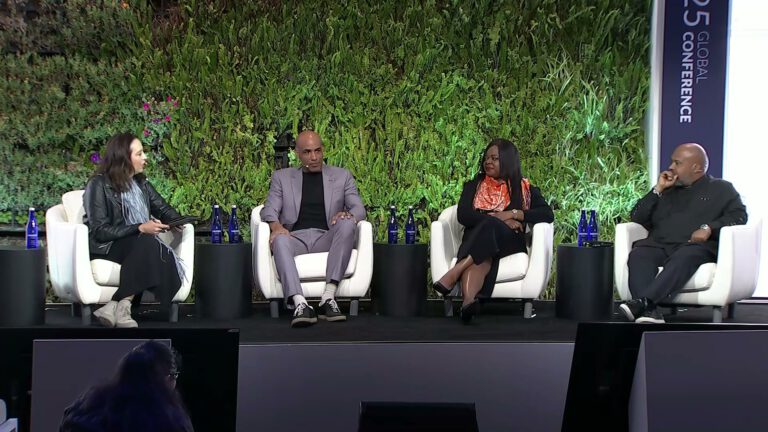
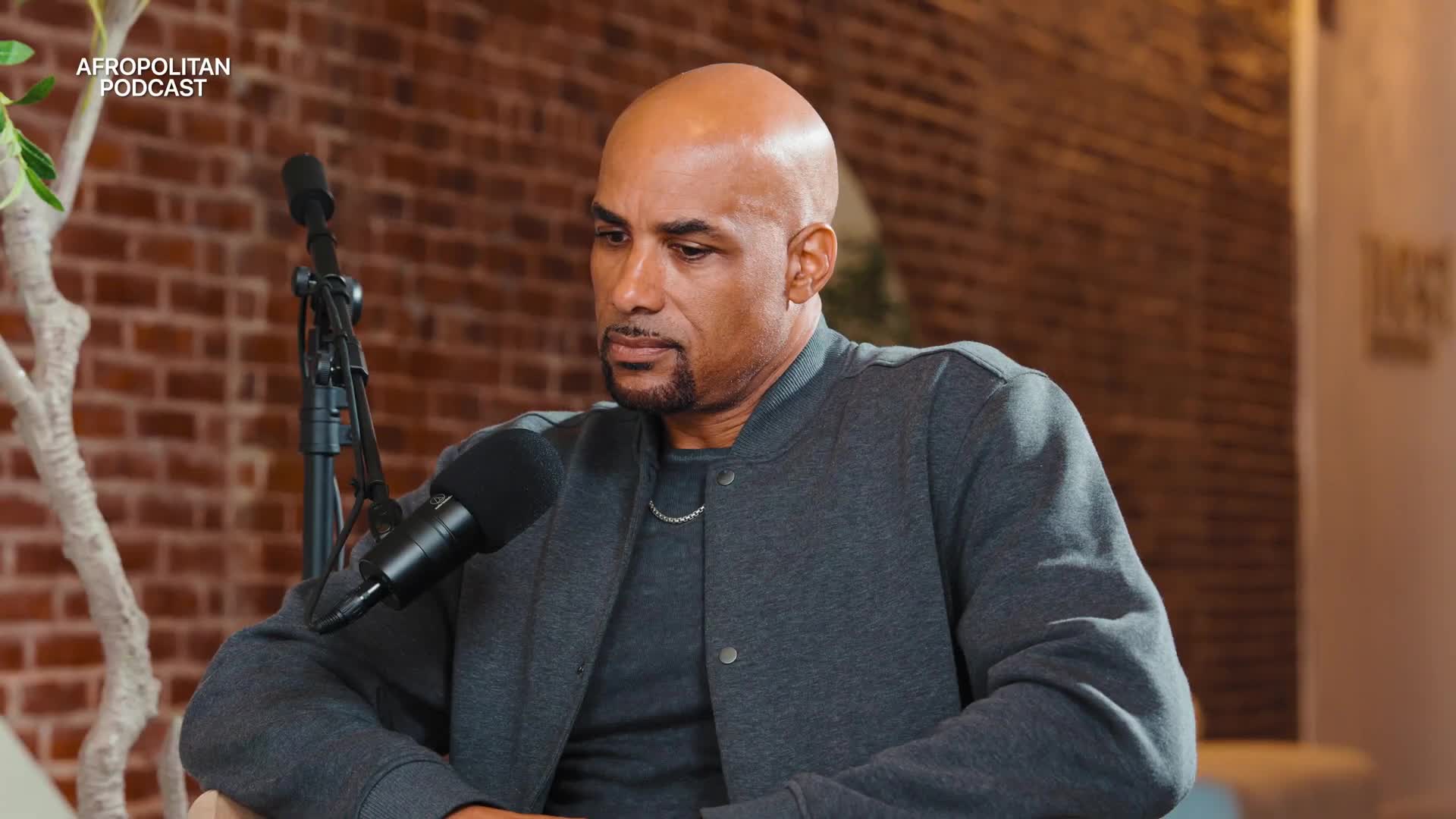
In a recent conversation on the Afropolitan Podcast, Boris traced the exact moment that progression started for him. Not a business school epiphany. Not a boardroom conversation. A quiet recognition: I don’t just have to be a consumer. I can actually participate in this consumption cycle as an owner. And once that awareness landed, he couldn’t put it back.
Today, Boris holds equity stakes in over 70 companies — from TheraBody, which he invested in after literally breaking his back and watching a friend build it from a drill-looking prototype, to Full Circle Africa, which he co-founded to address a gap he’d felt his entire life: the severed connection between the diaspora and the continent.
The ownership frame runs through every program KFF runs.
The LOVE ALL Scholarship isn’t charity. It’s an investment in a pipeline — one that takes a Black youth from wherever they are now to Mouratoglou Academy in France, to the USTA, to a future built on talent they were told didn’t belong in elite spaces. Every dollar invested there doesn’t disappear. It compounds. It produces an athlete, a scholar, and eventually an owner who reinvests in the next generation.
Full Circle Africa works on the same logic. The diaspora has been positioned as a charity relationship to Africa for decades. Boris’s thesis — backed by data — is that this framing is wrong and damaging. Africa’s average investment ROI is 11.4%. The global average is 7%. The continent isn’t a cause. It’s the most undervalued opportunity on earth. And the diaspora, if it organized itself as a single economic bloc, would be the third-largest Black country in the world by population and economic power.
The question isn’t whether there’s an opportunity. The question is which door you’re walking through.
The consumer door is always open. It was designed to be.
The owner door takes a progression. It starts with one question: what if I participated in this differently?
That’s the question KFF is built on. And it’s the one we’re asking every scholar, every diaspora partner, every donor who chooses to invest in the pipeline rather than donate to the gap.
Watch the full clip on the Afropolitan Podcast. Then ask yourself which door you’ve been walking through.