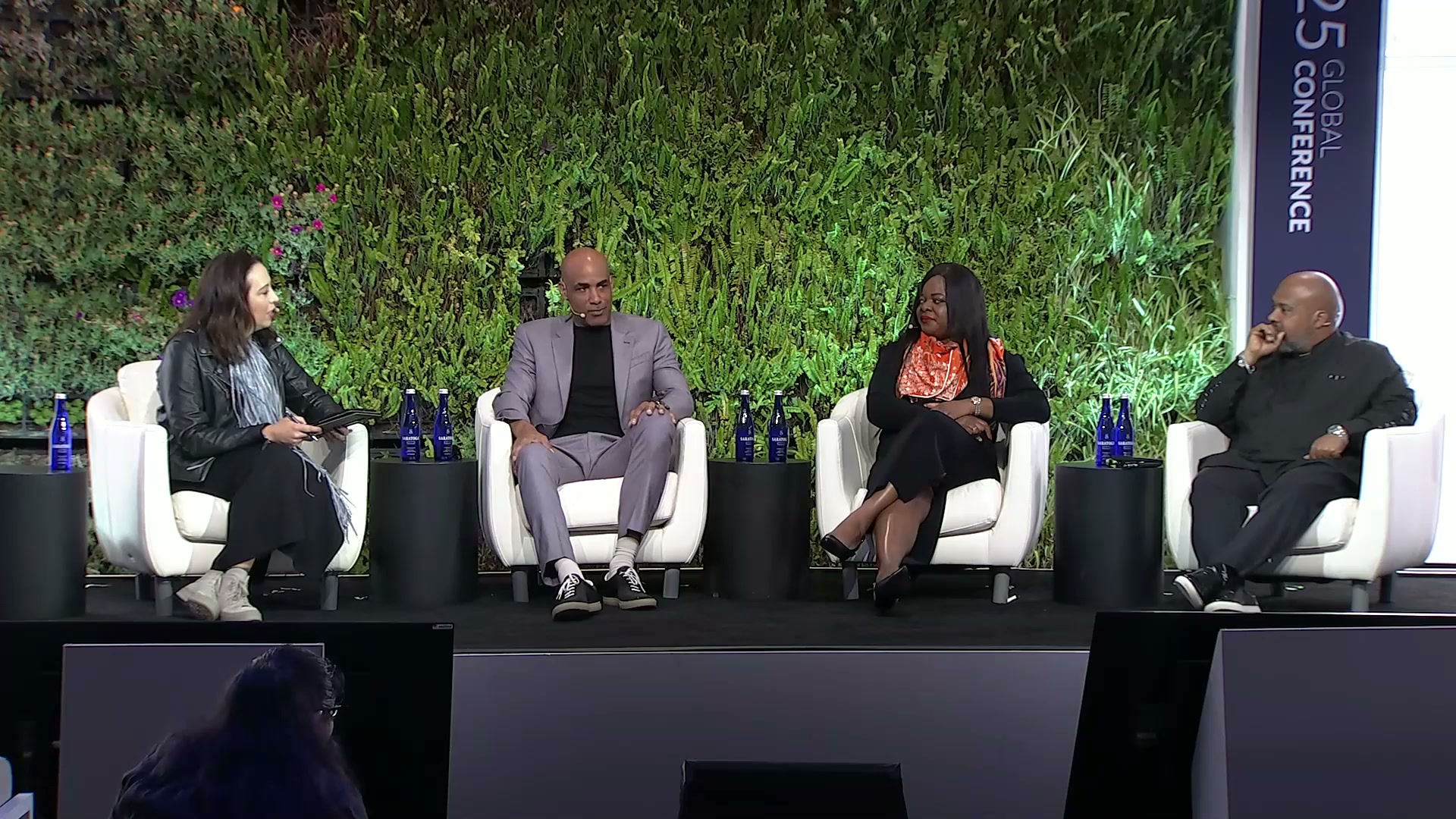
The diaspora is the third biggest country in the world after China and India. 600 million people.
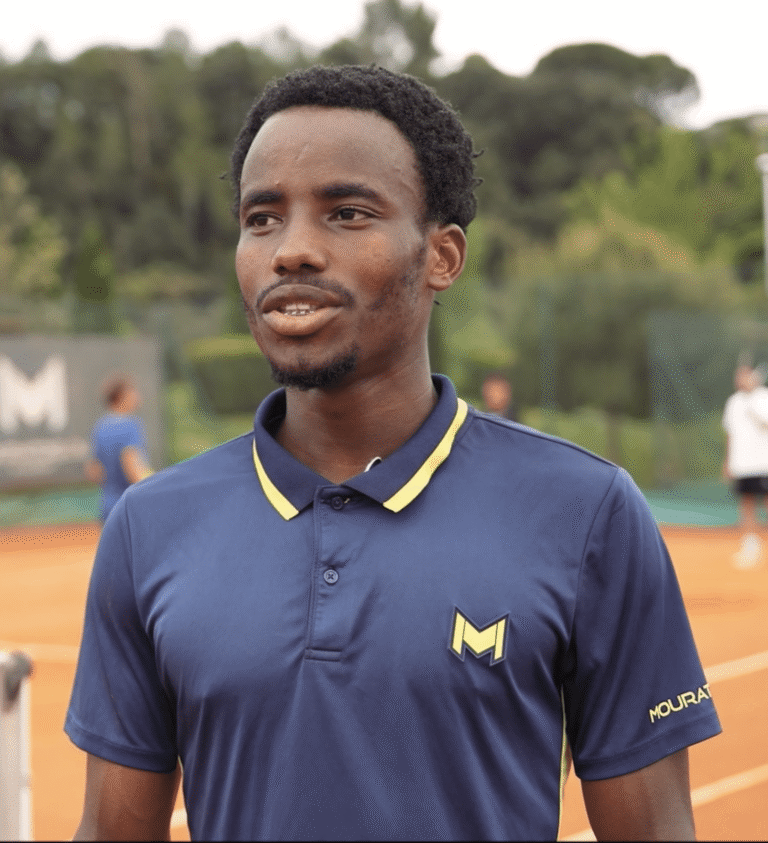
Boris put it plainly: we are not a minority. We’re actually the majority. That’s not rhetoric. That’s the count. The resources are there. The education is there. The cultural reach is undeniable. What’s been missing is coordination.
Boris has been making this case for years, not from a podium but from the work itself. Full Circle Africa was built on this exact premise: that the diaspora isn’t a scattered community waiting to be rescued. It’s a distributed network waiting to be activated.
The distinction matters. Scattered implies loss. Distributed implies architecture. And architecture implies the possibility of connection, of infrastructure, of something that compounds over time.
When Ghana’s Year of Return launched, something shifted. Tourist visas went from 40,000 a year to 1.2 million. That’s not tourism. That’s a homecoming. And it happened because people stopped waiting for permission to reconnect and started moving.
That’s the thesis behind Full Circle Africa’s work: the door is open. The infrastructure to walk through it is being built right now, from travel and real estate to naturalization pathways and investment networks. The diaspora doesn’t need to be charitable toward Africa. It needs to show up as the economic partner it already is.
A majority doesn’t need motivation. It needs a floor to stand on.
KFF and Full Circle Africa are building that floor. Tap in at the link below.