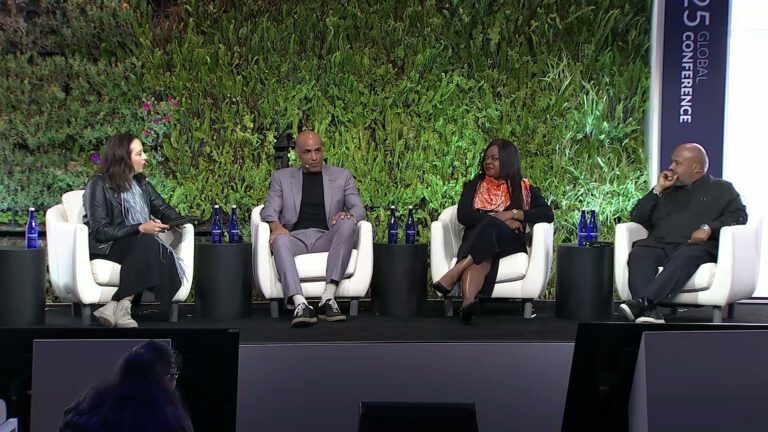

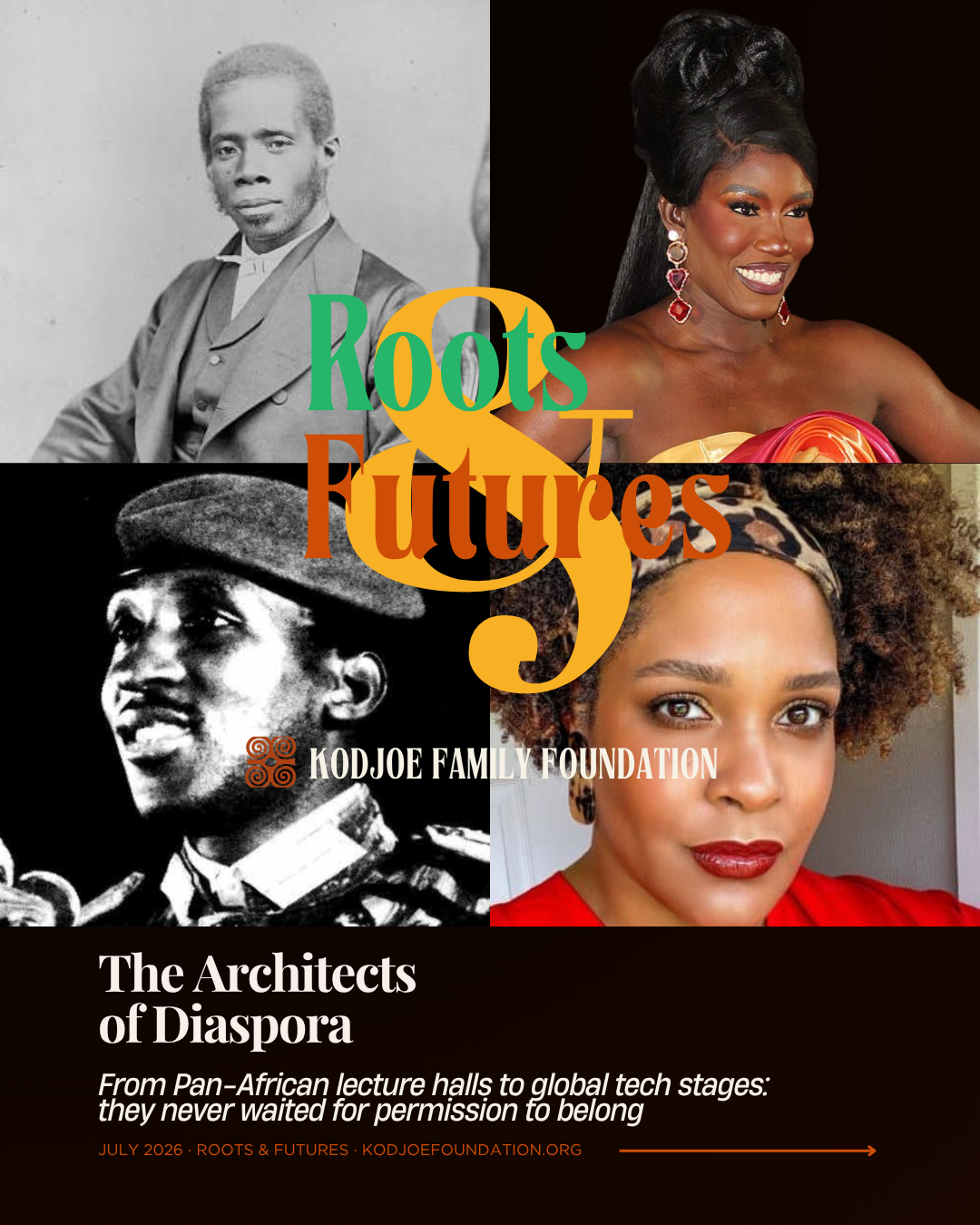
We have often been told that space is neutral — that a street is just a path and a building is just a shelter. But the history of Speculative Design and Urbanism reveals that the built environment is a physical manifestation of power. For too long, cities were designed to contain us, bypass us, or displace us. June’s visionaries challenge this blueprint, proving that Black brilliance is not just a guest in the city — it is the architect of the future.
Paul Revere Williams designed more than 3,000 structures across Los Angeles — from the LAX Theme Building to Frank Sinatra’s home — while restrictive covenants barred him from living in the very neighborhoods he built. He learned to draw upside down so white clients wouldn’t feel uncomfortable sitting across the table from him. That’s not compromise. That’s strategy. Floyd McKissick went further: he bought a 5,000-acre plantation in North Carolina and announced he was building a city. Soul City was strangled by political opposition before it could be completed, but its blueprint proved that Black-led planning works.
Mariam Kamara looked back to leap forward. Building the Hikma Complex in Niger using compressed earth bricks that regulate extreme heat naturally, she proved that the most advanced technology is sometimes the one that has been under our feet all along. Kristen Jeffers built The Black Urbanist into one of the most cited voices in American urban policy, insisting that a city must be evaluated from the perspective of its most vulnerable residents — or it is not a success story. It is a design flaw.
The built environment is not neutral. It is a political act. And this month, we meet the architects who refused to let the city be built without us.