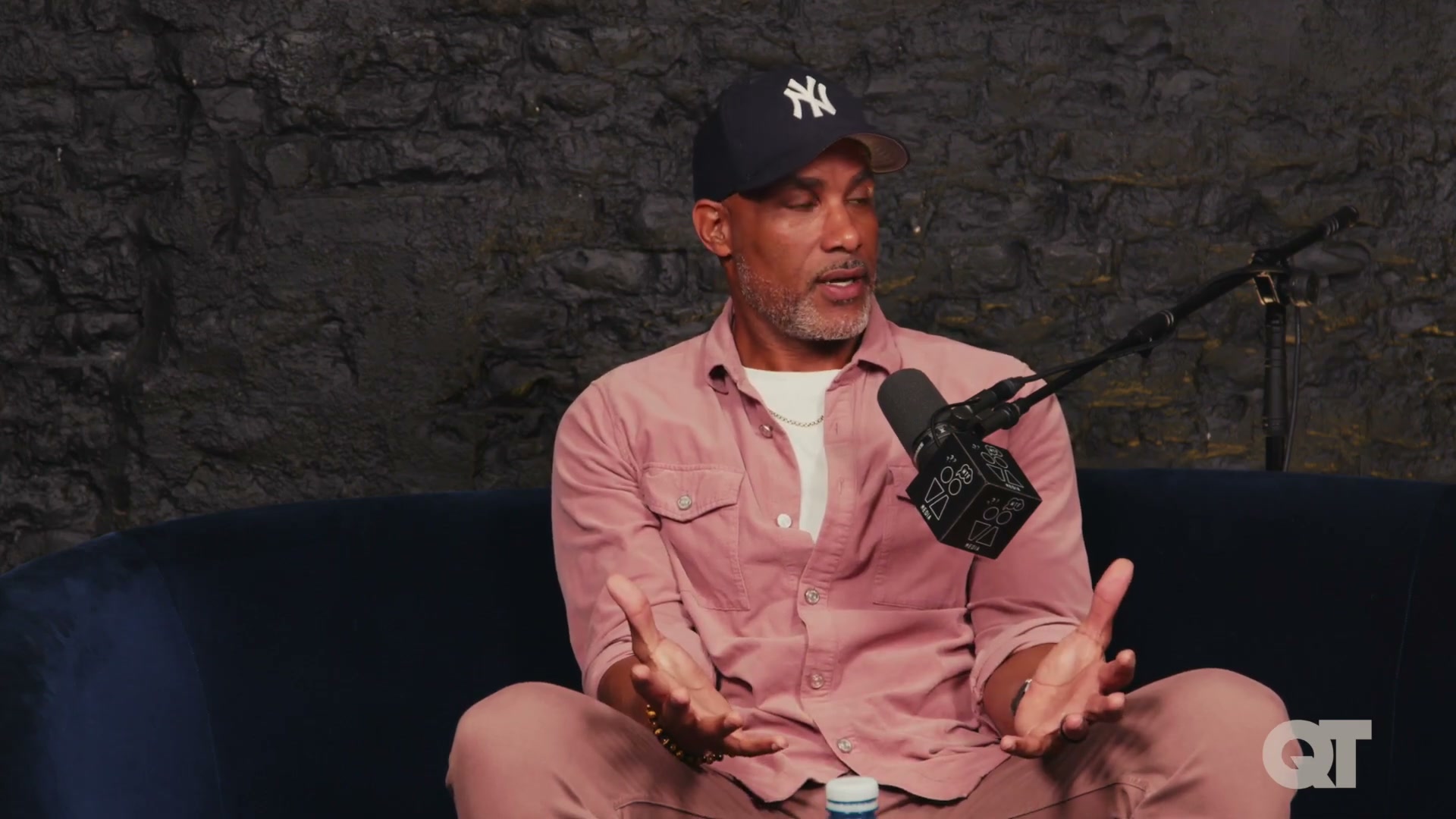
My son was six years old when he put it into words. We were in Ghana, and he said it plainly: “I feel so light when I’m here.”
Boris has talked about what that lightness actually is. His kids, he says, felt that double consciousness leave their bodies the moment they landed. The constant awareness of how you’re seen. The code-switching. The underlying anxiety that comes with being Black in America every single day. None of that goes away because you get good at managing it. It goes away when you’re somewhere that never asked you to carry it.
W.E.B. Du Bois named this phenomenon double consciousness in 1903 — the sense of always seeing yourself through someone else’s eyes. Boris’s son didn’t need the academic language for it. He just knew what its absence felt like.
The intellectual work of the diaspora has always included this project: making sense of an identity that doesn’t fit cleanly into anyone else’s category. Black and European. African and American. Ghanaian and British. The hyphen isn’t a compromise. It’s the whole thing.
What Boris’s son felt without the words for it is what Ijeoma Oluo and a generation of Black thinkers have been articulating: the contradiction isn’t a weakness in your identity. It’s evidence that the categories themselves were built by people who didn’t account for your existence. And once you see that clearly, a trip that started as reconnection starts feeling like relief.
That’s where KFF operates. Not in the space of a single, tidy cultural identity, but in the full complexity of what it means to be Black in the 21st century: globally connected, historically rooted, and building forward. The diaspora isn’t confused about who it is. It’s doing the intellectual work of defining itself on its own terms.
That work is the foundation everything else is built on.
Tap in at the link below.