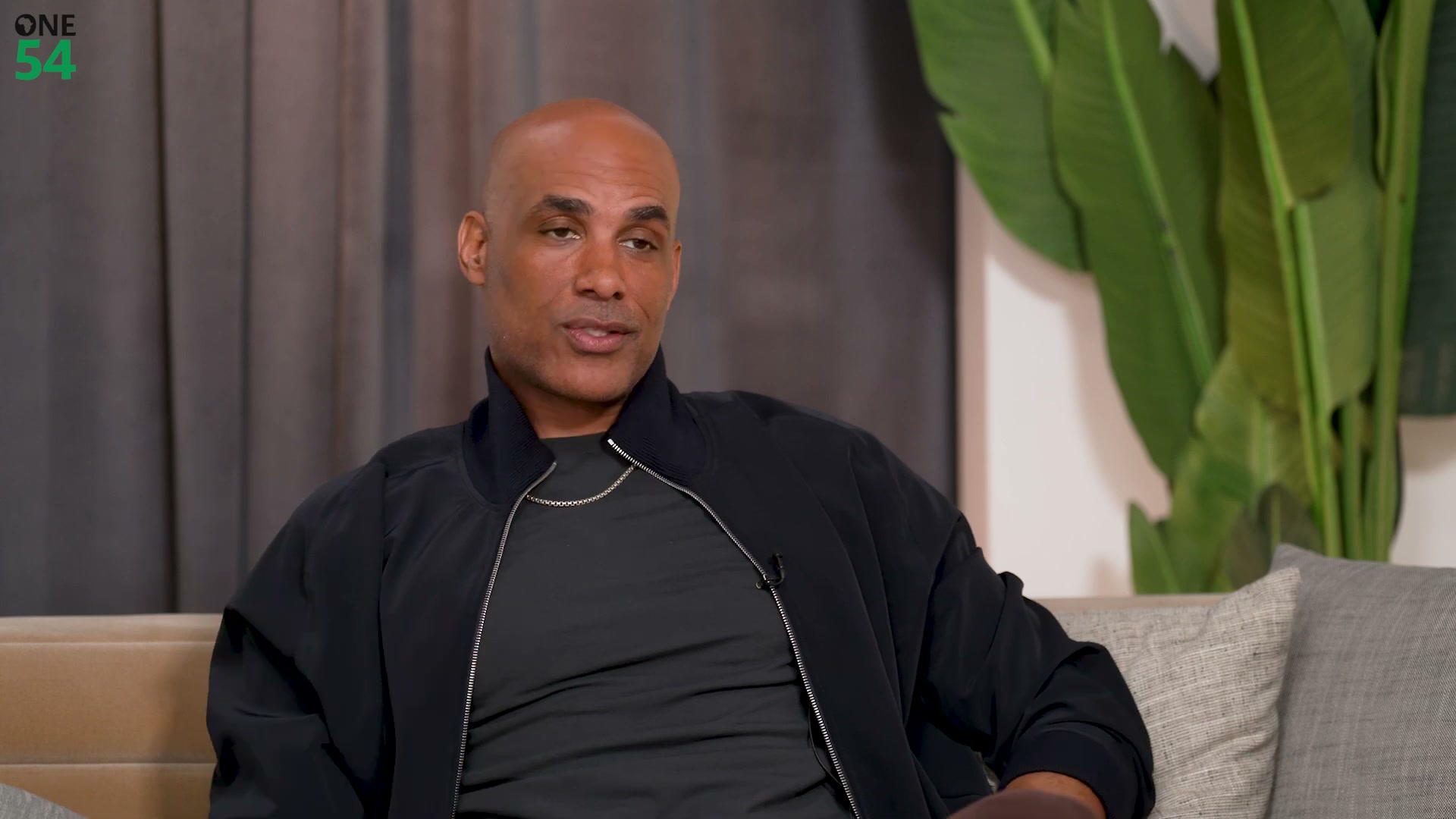
A lot of African-Americans experience it for the first time when they set foot on the continent: a true sense of identity. Not descendants of slaves. Descendants of royalty. Descendants of vast civilizations. A history that didn’t start 400 years ago.
Boris has watched this shift happen firsthand, and it carries everything. Because the way a people understand their own origin shapes how they move in the world. If the first chapter of your identity is captivity, the posture that follows is asking for permission. If the first chapter is sovereignty, the posture is building.
This is the intellectual work the diaspora has been doing for generations. Edward Wilmot Blyden argued in the 1800s that African people needed to reclaim the pride and knowledge of their own history before any political or economic project could take root. Pan-Africanism wasn’t just a political program. It was an epistemological one: you cannot build freely from a story that begins with your own degradation.
That work isn’t finished. But it’s further along than the mainstream narrative suggests. The Year of Return changed something. Seeing 1.2 million people travel to Ghana in a single year, many of them stepping onto the continent for the first time, carrying the weight of that question “where do I actually come from” and finding an answer, that wasn’t tourism. It was a renegotiation of identity at scale.
Roots and Futures exists inside this same project. Every figure Boris spotlights in the series is evidence of the full story: thinkers, builders, strategists, and artists who never accepted the diminished version of what Black people are capable of. They built kingdoms, codified knowledge, engineered systems, and led movements. The slave trade interrupted that lineage. It did not erase it.
The relay continues. KFF is one more hand in the chain.